Studying in Poland: A Complete Guide for International Students 🇵🇱
Studying in Poland has become an increasingly popular choice for international students looking for high-quality education, affordable living costs, and a rich cultural experience in the heart of Europe. With globally recognized universities, a wide range of English-taught programs, and vibrant student life, Poland offers an excellent academic journey.


Why Choose Poland for Higher Education?
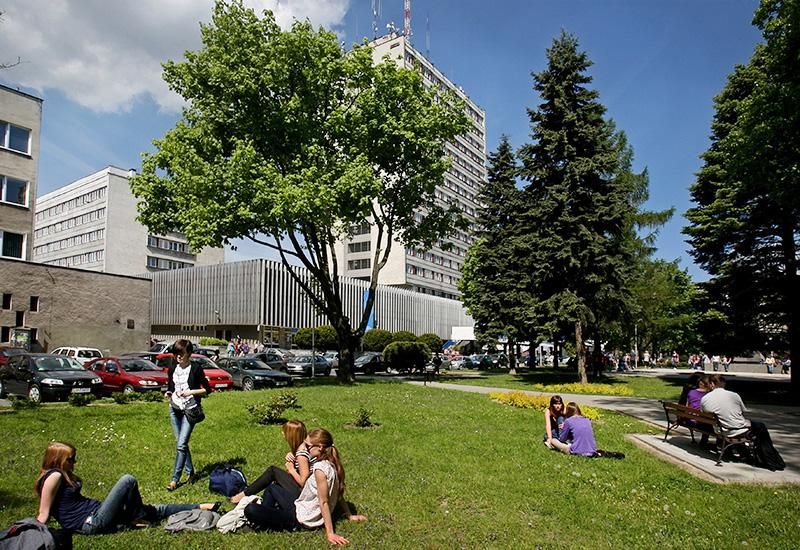
Poland combines academic excellence with cultural diversity. As a member of the European Union, degrees earned in Poland are recognized across Europe and beyond.
Key advantages include:
- Internationally accredited universities
- Affordable tuition fees and living expenses
- Safe and student-friendly cities
- Opportunities to work while studying
- Easy travel across Europe
Top Universities in Poland
Poland is home to many well-respected public and private institutions offering programs in English across fields such as medicine, engineering, business, IT, and social sciences.
Some notable universities include:
- University of Warsaw
- Jagiellonian University (one of the oldest universities in Europe)
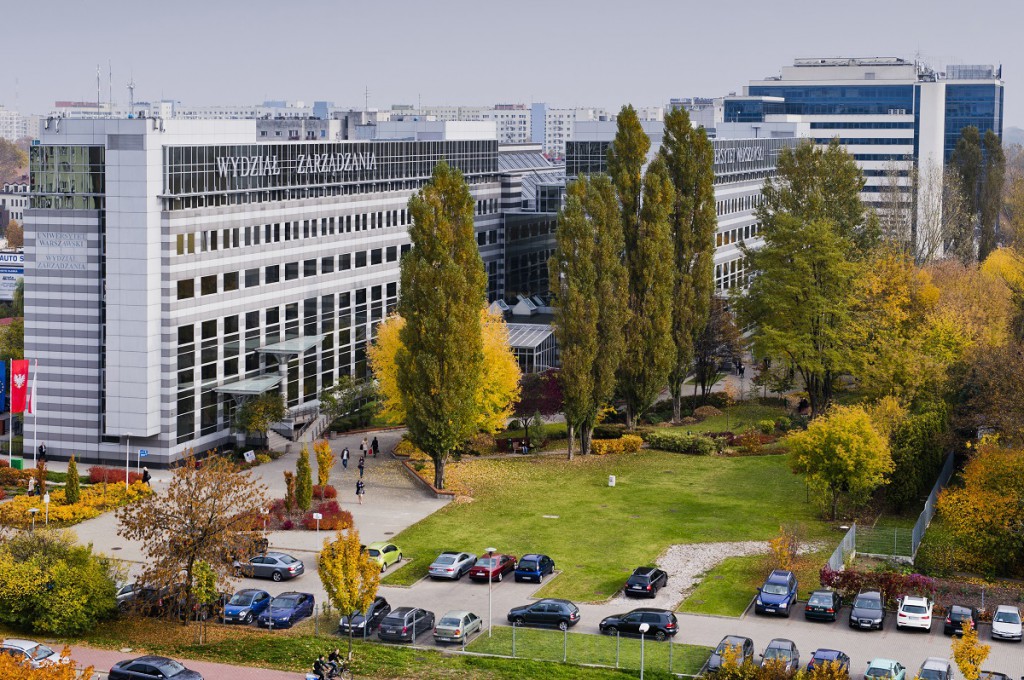
- Warsaw University of Technology
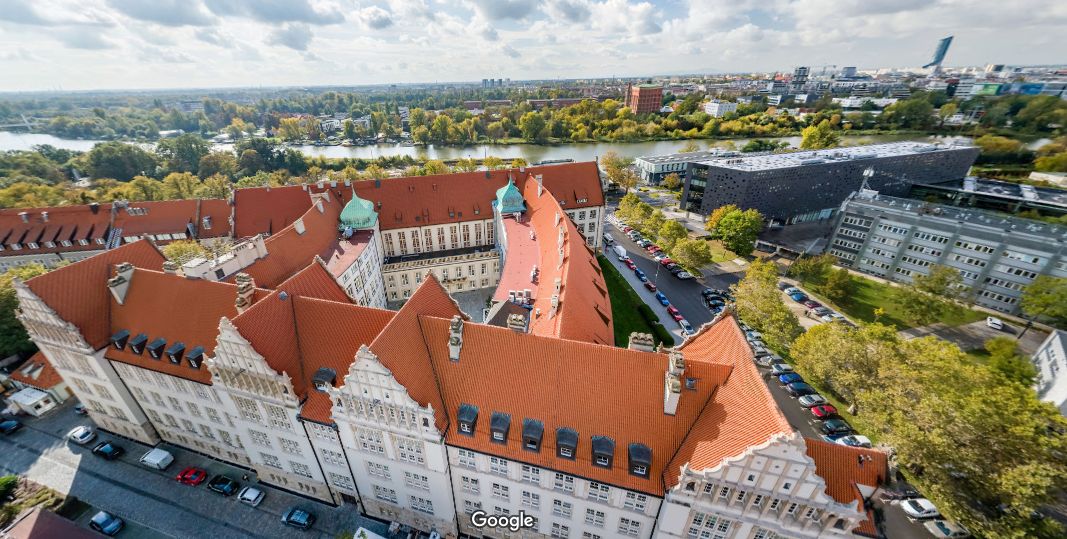
- Wroclaw University of Science and Technology
Cost of Studying and Living
One of Poland’s biggest attractions is affordability.
Average costs:
- Tuition fees: €2,000–€5,000 per year (higher for medical programs)
- Living expenses: €400–€700 per month
- Student dormitories: €100–€200 per month
Compared to many Western European countries, Poland offers excellent value for money.
Student Life and Culture
Poland offers a vibrant student lifestyle filled with festivals, historical landmarks, cafés, and nightlife. Cities like Warsaw, Kraków, and Wrocław are popular student hubs with a dynamic mix of tradition and modern living.
Polish people are known for their hospitality, and international students often find it easy to integrate into local communities.



Work Opportunities and Career Prospects
International students in Poland are allowed to work part-time during their studies without a separate work permit. After graduation, students can apply for temporary residence permits to seek employment, especially in growing sectors like IT, engineering, finance, and healthcare.